Commercial House Construction in Nepal in 2026
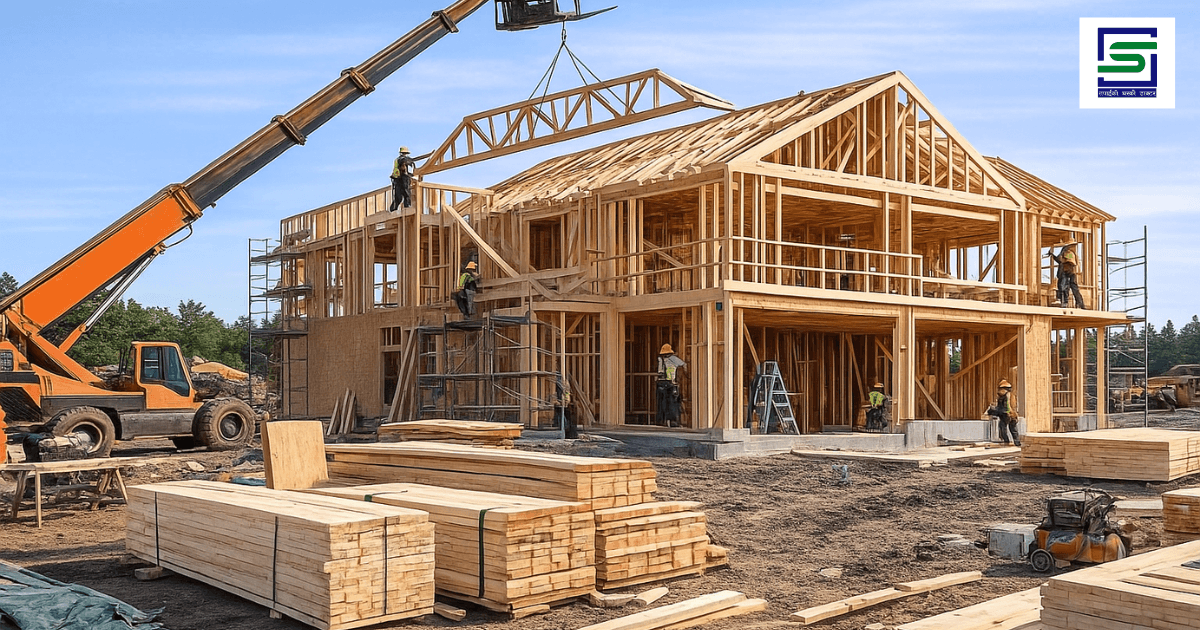
Building a commercial property in Nepal is a smart investment decision. Whether you're planning a shop, office building, restaurant, or mixed-use property, understanding the construction process helps you make better choices and save money.
What is Commercial House Construction?
Commercial house construction means building properties used for business purposes. This includes shops, offices, restaurants, hotels, warehouses, and buildings with both residential and commercial spaces.
In Nepal, commercial construction is growing fast, especially in cities like Kathmandu, Pokhara, Lalitpur, and Bhaktapur. More businesses need modern spaces, and property owners want buildings that generate income.
Why Commercial Building Design in Nepal Matters
Good commercial building design in Nepal considers local needs, weather conditions, building codes, and business requirements. A well-designed commercial building:
- Attracts more customers and tenants
- Uses space efficiently
- Reduces construction and maintenance costs
- Meets government regulations
- Provides better returns on investment
- Handles earthquake risks properly
Nepal's building codes require commercial structures to be earthquake-resistant. Your design must follow the National Building Code of Nepal and local municipality guidelines.
Types of Commercial Buildings in Nepal
1. Retail Shops and Showrooms
Ground floor commercial spaces for selling products. These need good visibility, easy access, and attractive frontage.
2. Office Buildings
Multi-story buildings for businesses and professionals. These require proper parking, elevator access, and modern amenities.
3. Mixed-Use Buildings
Combining shops on lower floors with apartments or offices above. This is very popular in Nepal because it maximizes land use and income.
4. Restaurants and Hotels
Food service and hospitality buildings need special designs for kitchens, dining areas, and guest facilities.
5. Warehouses and Godowns
Storage facilities for businesses, requiring large open spaces and good loading areas.
Simple Commercial Building Design Principles
A simple commercial building design focuses on functionality without unnecessary complexity. Here are key principles:
1. Practical Layout
Design spaces that work well for business operations. Put customer areas in front, service areas in back, and storage where convenient.
2. Clear Circulation
Create easy movement paths for customers, staff, and goods. Wide corridors, proper stairs, and clear entrances matter.
3. Natural Light and Ventilation
Use windows and openings strategically to reduce electricity costs and create comfortable spaces.
4. Flexible Spaces
Design rooms that can adapt to different business needs over time.
5. Strong Structure
Use quality materials and proper engineering for earthquake safety and long-term durability.
6. Cost-Effective Solutions
Choose practical finishes and materials that balance quality with budget.
Finding House Construction Companies in Nepal
Choosing the right construction company is crucial for project success. Here's what to look for in house construction companies in Nepal:
A. Experience and Expertise
Look for companies with proven experience in commercial projects. Check their completed buildings and ask for references.
B. Proper Licensing
Verify the company has valid registration with the Department of Urban Development and Building Construction (DUDBC) and local municipalities.
C. Qualified Team
Ensure they have licensed engineers, architects, and skilled workers.
D. Clear Communication
Choose companies that explain things clearly, provide detailed estimates, and respond promptly.
E. Financial Stability
Work with established companies that can complete your project without financial problems.
F. Quality Materials
Verify they use genuine construction materials from reliable suppliers.
Commercial Construction Process in Nepal
Step 1: Land Selection and Verification
Choose a location suitable for commercial use. Verify land ownership documents and check zoning regulations at your local municipality.
Step 2: Design and Planning
Hire an architect to create commercial building designs that meet your needs and follow building codes. Consider:
- Plot size and shape
- Road access and frontage
- Parking requirements
- Floor area ratio (FAR) limits
- Building height restrictions
- Setback requirements
Step 3: Approvals and Permits
Submit your building design to the municipality for approval. You'll need:
- Building permit application
- Architectural drawings
- Structural drawings
- Site plan
- Land ownership documents
- Environmental clearance (if required)
Step 4: Cost Estimation
Get detailed cost estimates from multiple construction companies. Current commercial construction costs in Nepal range from Rs. 2,500 to Rs. 5,000 per square foot, depending on design complexity, location, and finishing quality.
Step 5: Construction Work
The construction phase includes:
- Site preparation and excavation
- Foundation work
- Structural framework (columns and beams)
- Wall construction
- Roofing and waterproofing
- Electrical and plumbing installation
- Interior finishing
- Exterior finishing and painting
Step 6: Quality Inspections
Regular inspections ensure work meets standards. Municipality inspectors check at key stages.
Step 7: Final Completion
After finishing work, obtain a completion certificate from the municipality before using the building.
Cost Factors in Commercial Construction Nepal
Several factors affect your total construction cost:
Location
Construction in Kathmandu costs more than in other cities due to higher labor rates and material transportation.
Building Size
Larger buildings benefit from economies of scale but require bigger investments.
Design Complexity
Simple commercial building design costs less than complex architectural features.
Material Quality
Premium materials increase costs but provide better durability and appearance.
Finishing Standards
Basic finishes cost Rs. 2,500-3,000 per square foot, while premium finishes can exceed Rs. 4,500 per square foot.
Labor Costs
Skilled labor rates vary by region and season. Demand increases during favorable weather months.
Essential Features for Commercial Buildings
Earthquake Resistance
Nepal is in a high-risk earthquake zone. Your building must have:
- Proper foundation design
- RCC frame structure
- Reinforcement as per code
- Quality concrete (M20 or higher)
- Professional supervision
Proper Ventilation
Commercial spaces need good air circulation. Include:
- Adequate window openings
- Exhaust fans in bathrooms and kitchens
- Cross ventilation design
- Proper ceiling height (minimum 10 feet)
Electrical System
Plan for business needs:
- Sufficient power capacity
- Three-phase connection (if needed)
- Proper wiring and distribution boards
- Emergency backup options
- Energy-efficient lighting
Water Supply and Drainage
Essential requirements include:
- Adequate water storage tanks
- Proper plumbing network
- Separate bathrooms for customers and staff
- Efficient drainage system
- Rainwater management
Fire Safety
Include basic fire safety measures:
- Fire extinguishers
- Emergency exits
- Proper electrical safety
- Non-combustible materials where possible
Parking Facilities
Most municipalities require parking spaces based on building size. Plan adequate parking for customers and staff.
Commercial Building Materials in Nepal
Structural Materials
- Bricks: Red clay bricks remain most common for walls
- Cement: Use reputed brands meeting Nepal standards
- Steel (Sariya): Choose BIS-certified reinforcement bars
- Concrete: Maintain proper mix ratios for strength
Finishing Materials
- Flooring: Vitrified tiles, marble, or granite for commercial spaces
- Paint: Weather-resistant exterior paint, washable interior paint
- Doors and Windows: Aluminum or UPVC for durability
- False Ceiling: Gypsum board for modern interiors
Roofing Materials
- RCC Slab: Most common for flat roofs
- Waterproofing: Essential for Nepal's monsoon climate
- Tiles: Optional for sloped roofs
Timeline for Commercial Construction
Typical timeline for a commercial building in Nepal:
- Design and approval: 2-4 months
- Foundation work: 1-2 months
- Structural work: 4-6 months
- Finishing work: 2-4 months
- Total duration: 9-16 months
Timeline varies with building size, weather conditions, and construction company efficiency.
Legal Requirements and Documentation
Before Construction
- Land ownership certificate
- Site map and survey plan
- Building permit from municipality
- Tax clearance certificate
- Neighbor consent (if required)
During Construction
- Regular municipality inspections
- Progress reports
- Material quality certificates
- Structural audit reports
After Construction
- Building completion certificate
- Final municipality approval
- Electricity and water meter installation
- Business registration and licenses
Common Mistakes to Avoid
Poor Planning
Rushing into construction without proper planning leads to costly changes and delays.
Choosing Cheapest Option
Selecting the lowest bid often results in poor quality work and materials.
Ignoring Building Codes
Non-compliant buildings face legal issues and safety risks.
Inadequate Budget
Underestimating costs creates financial stress and incomplete work.
No Written Contract
Always have a detailed written agreement with your construction company.
Skipping Inspections
Regular quality checks prevent costly problems later.
Tips for Successful Commercial Construction
1. Do Your Research
Visit completed projects, talk to property owners, and understand local market demands.
2. Hire Professionals
Work with qualified architects, engineers, and construction companies.
3. Focus on Location
Choose areas with good commercial potential, accessibility, and infrastructure.
4. Plan for Future
Design with some flexibility for future business needs and modifications.
5. Monitor Progress
Visit the site regularly and maintain communication with your construction team.
6. Maintain Records
Keep all documents, receipts, and correspondence organized.
7. Consider Sustainability
Incorporate energy-efficient features to reduce long-term operating costs.
Return on Investment
Commercial properties in Nepal offer good returns through:
Rental Income
Well-located commercial spaces command monthly rents of Rs. 30,000 to Rs. 300,000+ depending on size and location.
Property Value Appreciation
Commercial properties in prime areas appreciate 8-12% annually.
Business Use
Using the property for your own business eliminates rental expenses.
Finding the Right Construction Partner
When searching for house construction companies in Nepal, consider:
1. Portfolio Review
Look at their previous commercial projects. Quality speaks louder than promises.
2. Client Testimonials
Contact previous clients to understand their experience.
3. Site Visit
Visit their ongoing projects to see work quality firsthand.
4. Transparent Pricing
Choose companies providing detailed, itemized estimates.
5. Warranty and Support
Ensure they offer post-construction support for any issues.
Future of Commercial Construction in Nepal
Nepal's commercial construction sector is evolving with:
1. Modern Designs
Increasing demand for contemporary commercial building designs with better aesthetics.
2. Green Building
Growing interest in sustainable and energy-efficient construction.
3. Technology Integration
Smart building features becoming more common.
4. Quality Focus
Buyers prioritizing quality over just low costs.
Conclusion
Commercial house construction in Nepal requires careful planning, right partnerships, and attention to quality. Whether you choose a simple commercial building design or something more elaborate, success depends on:
- Clear understanding of your business needs
- Compliance with building regulations
- Working with experienced house construction companies in Nepal
- Quality materials and construction practices
- Realistic budgeting and timeline
With proper planning and execution, your commercial building becomes a valuable asset generating steady income and appreciation over time.Take time to research, consult professionals, and make informed decisions. A well-constructed commercial property serves your business goals for decades to come. Ready to start your commercial construction project? Contact experienced construction companies, visit completed projects, and begin planning your successful commercial building in Nepal today.